
According to a JobKorea survey, more than half (67.2%) of the respondents said they “pursue perfectionism at work.” Furthermore, while 67.2% responded that perfectionism improves work performance, 75.9% said it does not make them happy. In other words, a happy perfectionist is rare.
Pursuing perfection, if kept at a manageable level, can evoke alertness and enhance learning abilities, allowing one to display outstanding performance. However, when it turns into overwhelming stress, it leaves physical and mental damage, such as depression, lethargy, and illness.
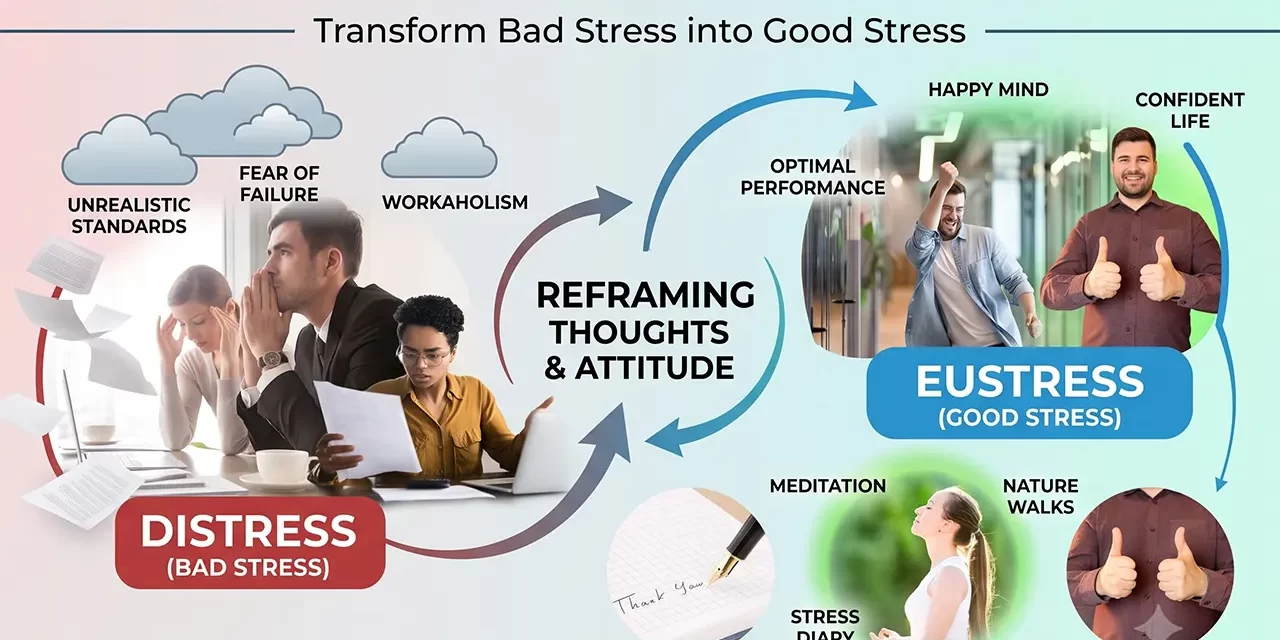
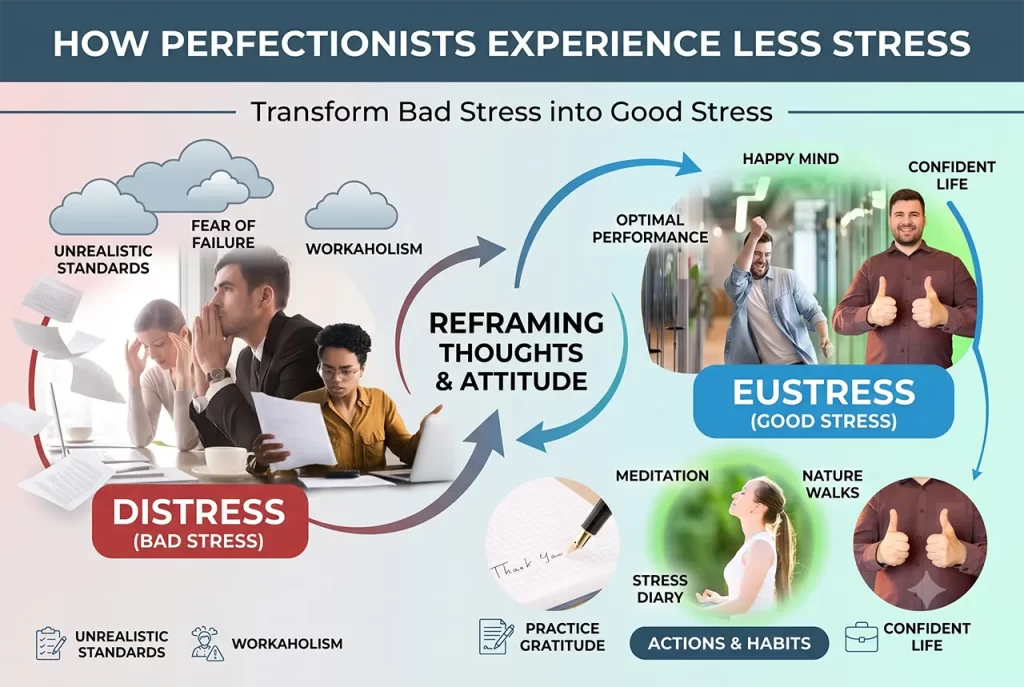
We hope perfectionists can turn their “bad stress (distress)” into optimal “good stress (eustress)” so they can live the lives they desire.
1. The Stress Perfectionists Experience
Perfectionists never have a moment of, “This is good enough.” They torment themselves and fail to see reality as it is because of the thought that they must be perfectly satisfied with themselves and recognized by everyone.
- Unrealistic High Standards: They hold unrealistic standards that they must do everything flawlessly. The desire to meet the high expectations of others makes it even harder. The higher the standards, the greater the possibility of failure.
- Fear of Failure and Mistakes: If it isn’t perfect, they accept it as a failure. Their fear of mistakes is immense. To avoid mistakes, they might procrastinate, get distracted, or act lazy due to sheer tension.
- Extreme Black-and-White Thinking: They believe that if something isn’t perfect, it’s worthless. Obsessing over negative information leads to feelings of depression, helplessness, and a loss of self-esteem.
- Vulnerability to Workaholism: They overwork themselves due to the pressure regarding mistakes. They are constantly weighed down by work, consume massive energy, experience burnout, and make it difficult for people around them.
- Strictness Toward Others: When expectations aren’t met, they display self-deprecation. Furthermore, they adopt a strict and critical attitude toward others, causing difficulties in interpersonal relationships.
2. Ways to Experience Less Stress
🧠 Changing Your Thoughts
- “I have to pull this off perfectly.” ➡ “I am an average person. I can’t be good at everything.”
- “Other people will be disappointed.” ➡ “I can’t satisfy everyone. Let’s just move on.”
- “Don’t make excuses, you pathetic person.” ➡ “That’s good enough. You worked hard.”
- “I can’t do it. There’s no point in trying.” ➡ “Let’s give it a try. Just having the opportunity is something to be grateful for.”
- “I want to be recognized and praised by everyone.” ➡ “No one is praised by everyone. I just need to accept it with gratitude.”
🌱 Changing Your Attitude
- Accept yourself “as you are”: If you let go of the high standards you set for yourself, you can accept the “present you” and the “current results” exactly as they are.
- Do not compare yourself to successful people: Alfred Adler said, “Wanting to be like someone else is giving up on who you are now.” Do not live someone else’s life just to satisfy their expectations.
- Free yourself from the gaze of others: You do not need to be overly conscious of others. Practice saying “no” when you don’t want to do something, without being afraid.
- Do not blame others or your environment: Focus on how to utilize what you have been given, rather than dwelling on the past.
🏃♂️ Managing Lifestyle Habits
- Keep a stress diary: Record the event, emotions, and efforts to resolve it. This helps you reflect on your stress objectively.
- Keep a gratitude journal: Discover emotions such as joy, hope, and love to transform a negative worldview into a positive one.
- Set very small goals: Write a To-Do List and execute it by priority so small senses of accomplishment can accumulate.
- Manage your lifestyle habits: Regular exercise, a balanced diet, and sufficient sleep are key to positive energy.
- Enjoy walking in nature: Nature is highly effective in eliminating stress hormones like cortisol and adrenaline.
- Practice Subtraction Meditation (Ma-eum Su-ryun): As you repeatedly discard the mind formed by past experiences and expectations, you return to a positive, happy mind completely free from stress.
References:
- Four Types of Perfectionists, Lee Dong-gwi et al., Flow Publishing, 2021
- Harvard Stress Class, Wang Fang, Wayz Map, 2021
- Inside the Head of a Person with Zero Stress, Testosterone, Scenery with Books, 2021
- The Courage to Be Disliked, Ichiro Kishimi, Influential, 2022
