
This randomized controlled study examined the effects of a Ma-eum Su-ryun meditation program on the psychological well-being of breast cancer survivors. Researchers found significant reductions in depression, anxiety, and stress, along with substantial improvements in quality of life, life satisfaction, and post-traumatic growth among participants who practiced the Ma-eum Su-ryun mind subtraction method.
Advances in cancer treatment have dramatically increased survival rates, allowing more individuals to live long and productive lives after cancer. However, surviving cancer often brings challenges that extend far beyond physical recovery.
Many breast cancer survivors continue to struggle with depression, anxiety, fear of recurrence, emotional distress, social withdrawal, and difficulties adjusting to life after treatment. These psychological burdens can significantly impact overall quality of life even after medical treatment has been successfully completed.
Recognizing the importance of emotional healing alongside physical recovery, researchers investigated whether Ma-eum Su-ryun, a meditation method founded by Master Woo Myung, could help breast cancer survivors improve their psychological well-being and regain a greater sense of peace, happiness, and resilience.
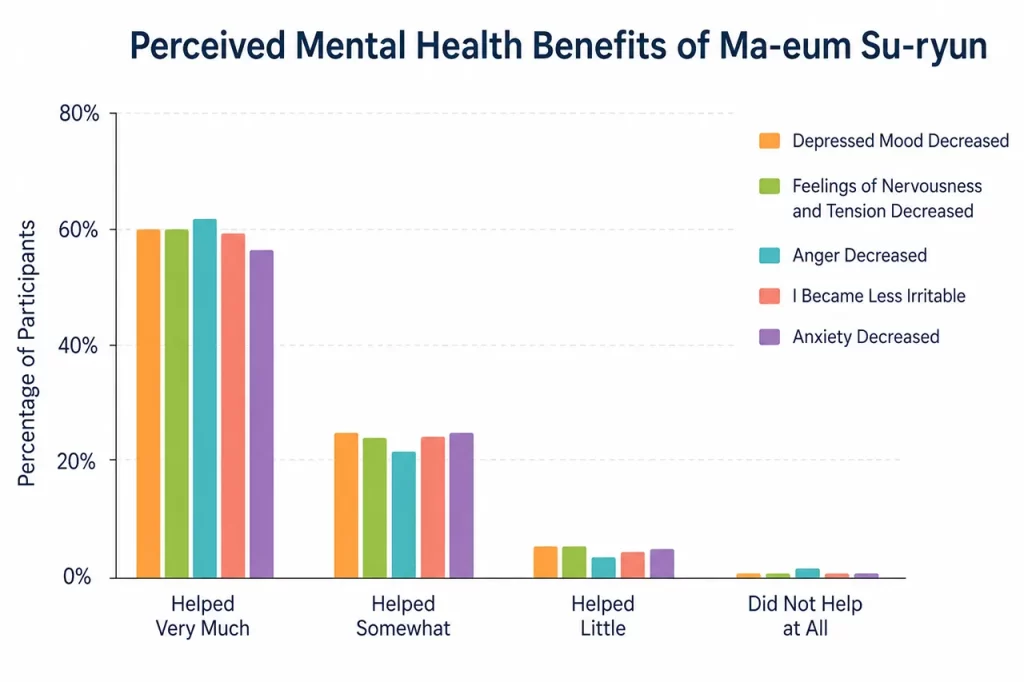
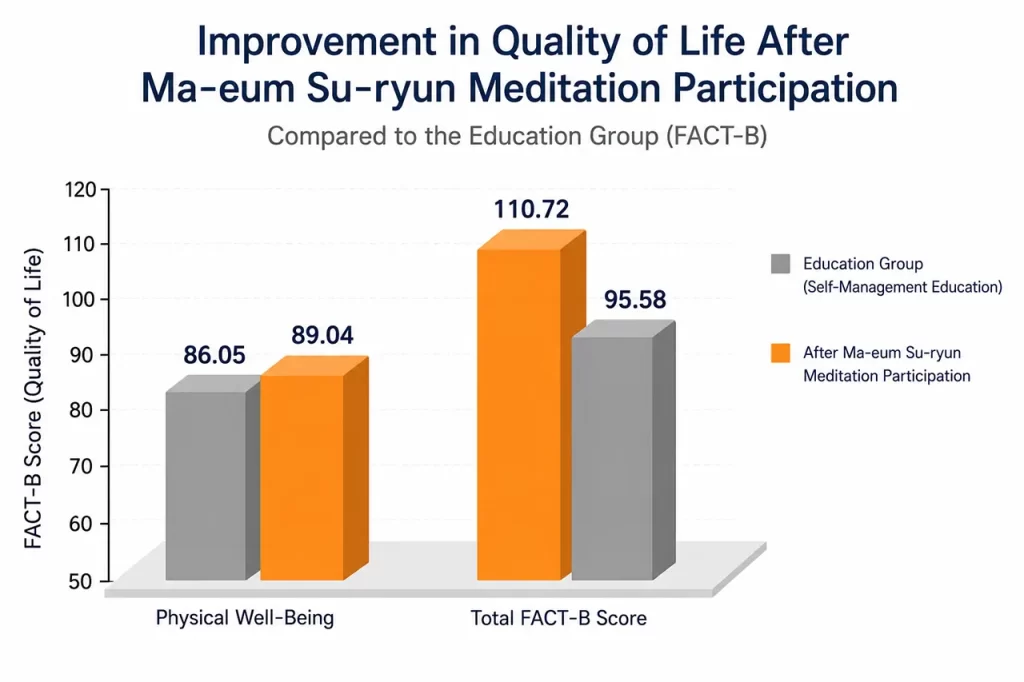
The findings revealed that participants who practiced Ma-eum Su-ryun experienced significantly greater improvements than those who participated in a conventional self-management education program. The meditation group reported lower levels of depression, anxiety, and stress, while also demonstrating higher quality of life, greater life satisfaction, and increased post-traumatic growth.
💕 WHY THIS STUDY WAS IMPORTANT
As cancer survival rates continue to improve, healthcare professionals increasingly recognize that successful treatment involves more than physical recovery.
Breast cancer survivors frequently experience:
- Depression
- Anxiety
- Chronic stress
- Fear of recurrence
- Emotional isolation
- Reduced quality of life
- Difficulty adjusting after treatment
These challenges can persist for years after surgery or chemotherapy has ended.
Researchers therefore sought to determine whether a meditation-based intervention could provide meaningful psychological support for breast cancer survivors during the recovery process.
👩⚕️ STUDY PARTICIPANTS
The study included:
- 54 women
- Ages 30–65
- Diagnosed with breast cancer
- Completed surgery and/or chemotherapy within the previous 2 years and 6 months
Participants were recruited from a university hospital in Seoul.
🔬 RESEARCH DESIGN
This study utilized a randomized controlled pretest-posttest design.
Meditation Group
Participants received:
- Ma-eum Su-ryun Meditation Program
- 2-hour sessions
- Twice per week
- 8-week duration
Control Group
Participants received:
- Breast Cancer Self-Management Education Program
- 2-hour sessions
- Once per week
- 4-week duration
Participants were randomly assigned to either group following enrollment.
The study received approval from both Seoul National University College of Nursing and Asan Medical Center Institutional Review Boards.
🌱 THE MA-EUM SU-RYUN MEDITATION PROGRAM
The intervention was based on the principles of Ma-eum Su-ryun and its core Mind Subtraction Method.
Participants learned how to:
- Reflect on accumulated life experiences
- Recognize negative mental images
- Release emotional burdens
- Discard stressful memories and thought patterns
- Develop a more positive and balanced perspective
The program was specifically adapted to address the physical and emotional needs of breast cancer survivors.
📊 HOW PSYCHOLOGICAL WELL-BEING WAS MEASURED
Researchers evaluated:
Emotional Health
- Depression (CES-D)
- Anxiety (BAI)
- Perceived Stress (PSS)
Quality of Life
- FACT-B (Breast Cancer Quality of Life Scale)
Additional Measures
- Sleep Quality
- Life Satisfaction
- Post-Traumatic Growth
Post-traumatic growth included:
- Improved relationships
- Discovery of new possibilities
- Increased personal strength
- Greater appreciation for life
- Enhanced spiritual growth
✨ THE SCIENTIFIC RESULTS
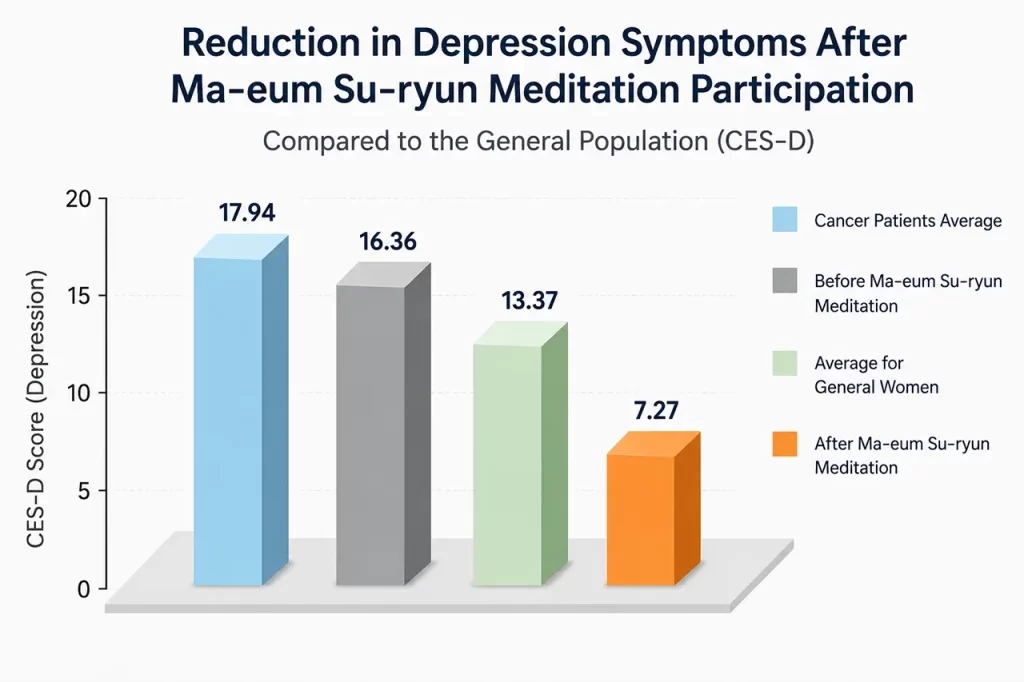
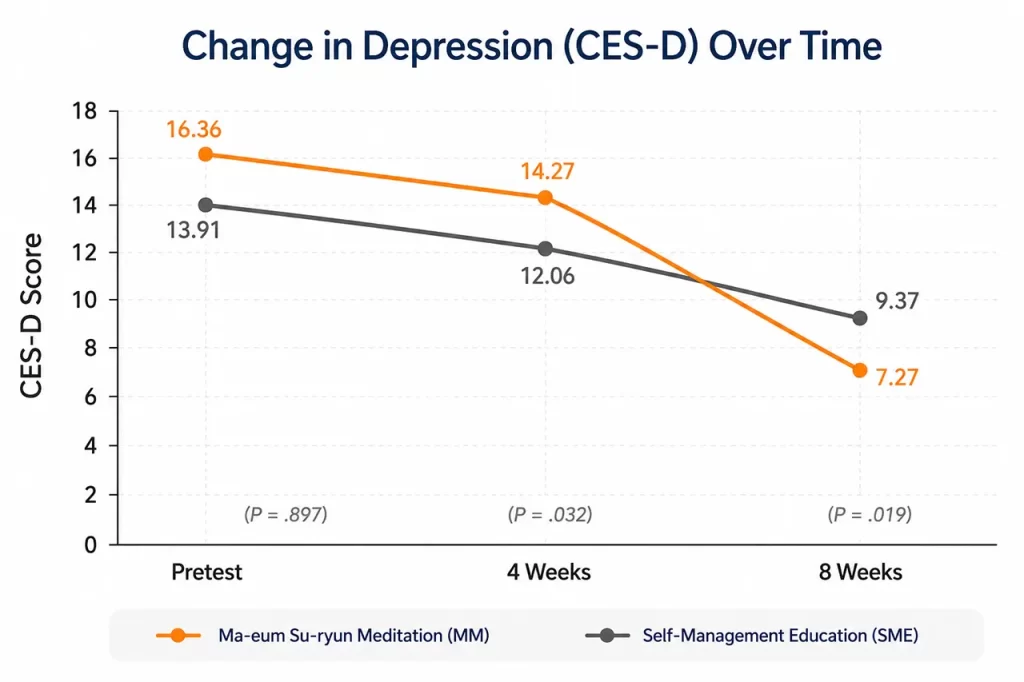
1. Significant Reductions in Depression
Participants practicing Ma-eum Su-ryun experienced substantially greater reductions in depression than those in the self-management education group.
Remarkably, after completing the program, participants’ depression scores fell below average levels reported among the general female population.
2. Significant Reductions in Anxiety
The meditation group demonstrated significantly greater reductions in anxiety compared with the control group.
Participants reported feeling calmer, emotionally lighter, and less overwhelmed by worry and fear.
3. Significant Reductions in Perceived Stress
Stress levels decreased substantially among participants practicing Ma-eum Su-ryun.
Researchers found significantly greater stress reduction compared with participants who received only self-management education.
🌸 IMPROVED QUALITY OF LIFE
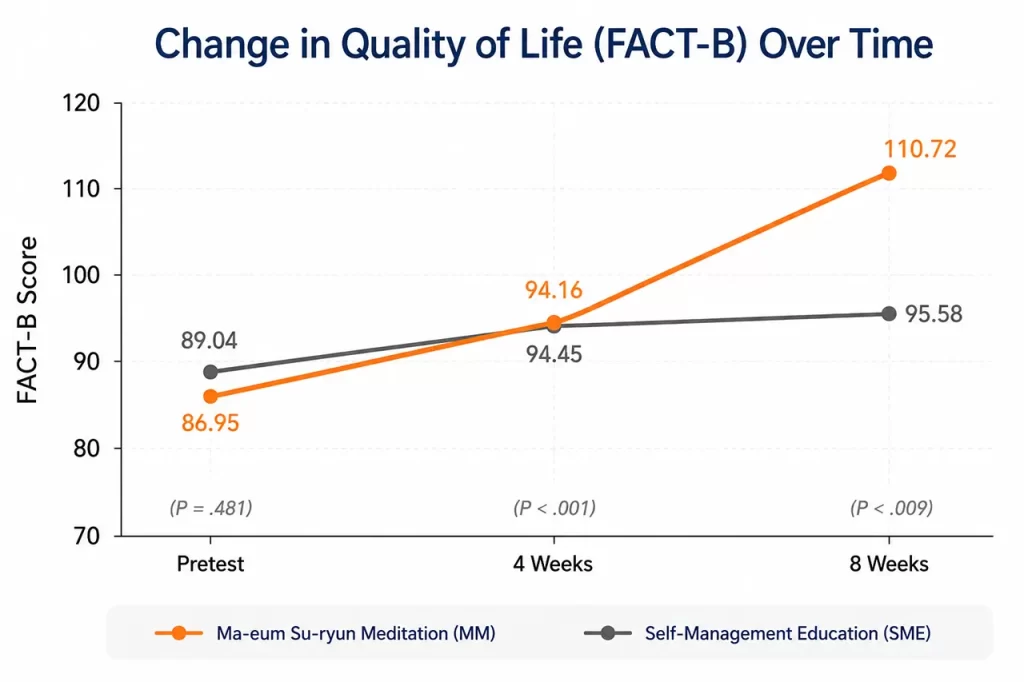
One of the most impressive findings involved quality of life.
While the self-management education group showed little change, participants practicing Ma-eum Su-ryun demonstrated highly significant improvements.
Their quality-of-life scores exceeded averages reported in previous studies involving Korean breast cancer survivors.
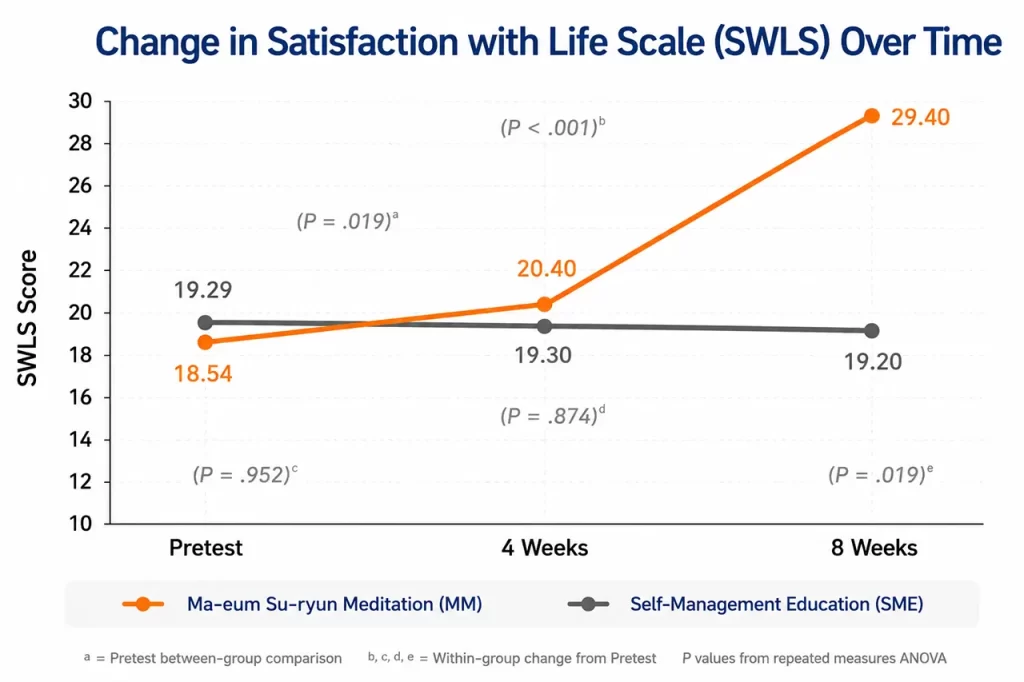
😊 GREATER LIFE SATISFACTION
Participants in the meditation group reported significantly higher life satisfaction following the program.
As emotional burdens decreased, participants described experiencing:
- Greater gratitude
- Increased positivity
- More appreciation for daily life
- Renewed emotional strength
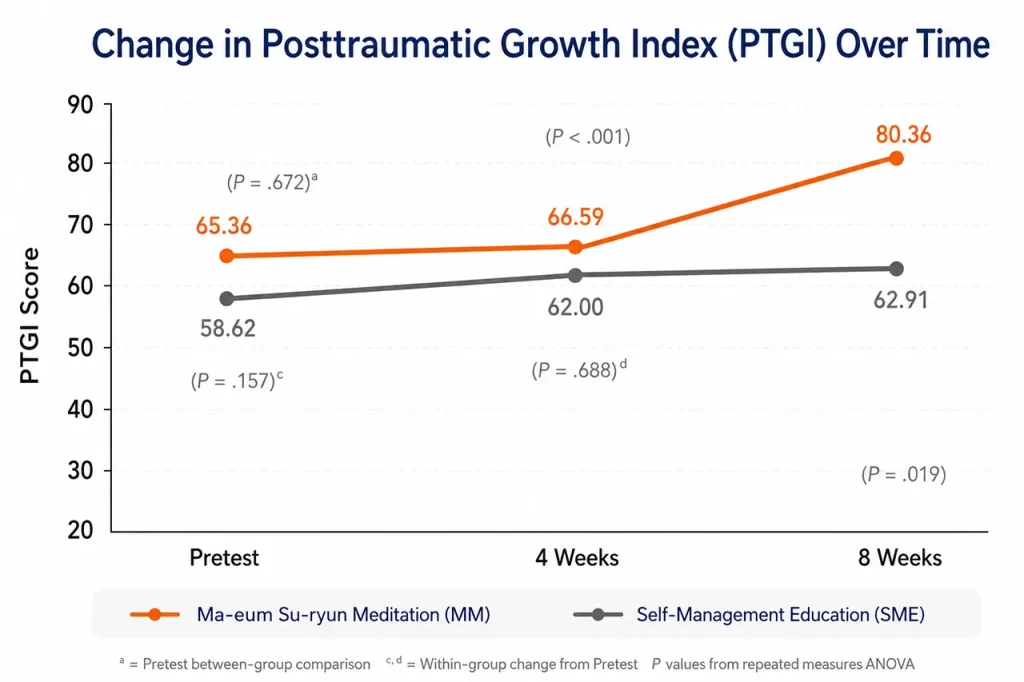
🌈 ENHANCED POST-TRAUMATIC GROWTH
Breast cancer can be a deeply traumatic life experience.
However, participants who completed the Ma-eum Su-ryun program demonstrated significantly greater post-traumatic growth than those in the control group.
Many participants reported:
- Greater personal strength
- A more open perspective
- Improved relationships
- A deeper appreciation for life
- A renewed sense of purpose
💫 TRANSFORMATION THROUGH MIND SUBTRACTION
Qualitative interviews revealed a powerful pattern of personal transformation.
Participants described:
- Letting go of emotional pain
- Releasing negative memories
- Feeling freer emotionally
- Moving from negative to positive thinking
- Becoming more open-minded
- Discovering genuine happiness
Researchers concluded that mind subtraction helped participants shift from emotional suffering toward greater peace, gratitude, and psychological freedom.
🌿 CONCLUSION: A POWERFUL APPROACH FOR EMOTIONAL HEALING AFTER CANCER
This study demonstrated that a Ma-eum Su-ryun meditation program specifically designed for breast cancer survivors can significantly improve psychological well-being.
Compared with a traditional self-management education program, Ma-eum Su-ryun produced:
- Lower depression
- Lower anxiety
- Lower perceived stress
- Higher quality of life
- Greater life satisfaction
- Greater post-traumatic growth
The findings suggest that Ma-eum Su-ryun may serve as a valuable clinical intervention that supports emotional healing, resilience, and long-term well-being among cancer survivors.
Researchers concluded that integrating Ma-eum Su-ryun into clinical nursing practice may help support healthier, happier, and more fulfilling lives after cancer treatment.
— End of Research Summary —
If emotional burdens, stress, anxiety, or difficult life experiences are preventing you from fully enjoying life, healing may begin from within. Through the systematic process of mind subtraction taught by Master Woo Myung, many people have discovered greater peace, resilience, gratitude, and happiness. Experience the benefits of Ma-eum Su-ryun for yourself at Santa Clara Meditation.
🔬 RESEARCH DOCUMENTATION INFO
Researcher
- Mi-Ra Yoon
Institution: Graduate School, College of Nursing, Seoul National University
Year Published: 2014
Study Title: Effects of the Ma-eum Su-ryun Meditation Program on the Psychological Well-Being of Breast Cancer Survivors
