
INTRODUCTION
🌌 In this writing, Master Woo Myung examines Plato’s claim that insight, courage, and moderation are the foundations of righteousness and the greater good.
This teaching reveals that although these virtues appear noble, they still contain the self, and because of that, they cannot realize true righteousness. 🌿
Master Woo Myung clarifies that righteousness is not found in knowledge, will, or discipline, but only when there is absolutely no self, allowing one to live in complete harmony with nature’s flow. ✨
📖 ORIGINAL WRITING BY Master Woo Myung
Is Plato Right About Righteousness?
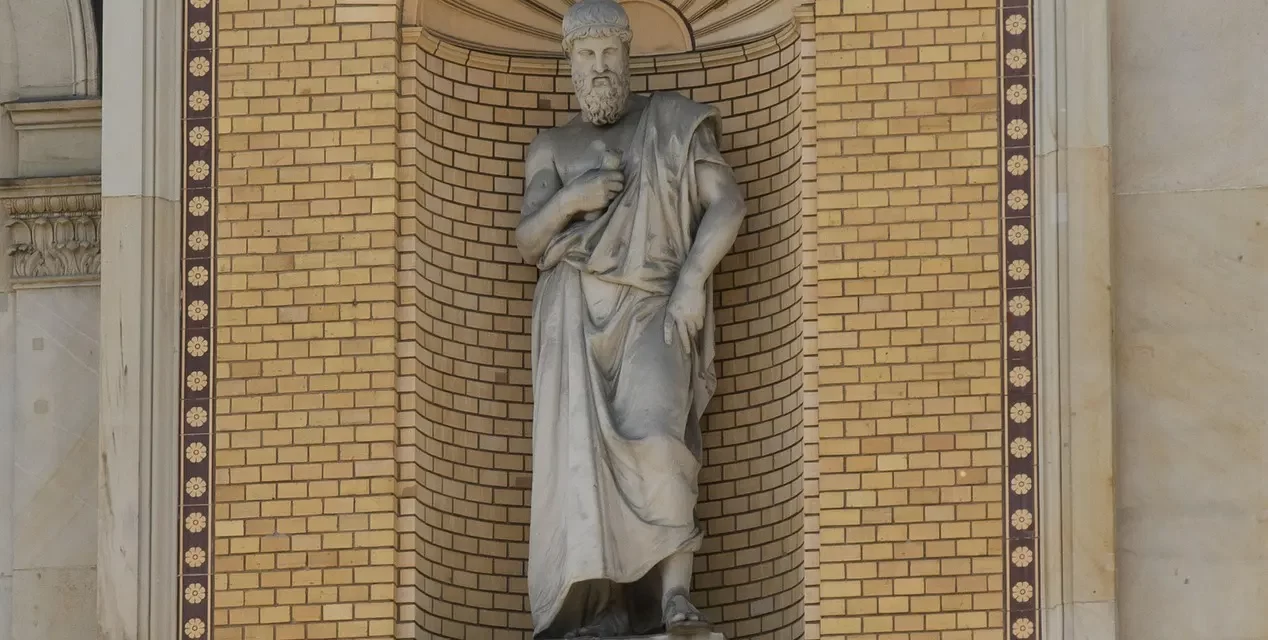
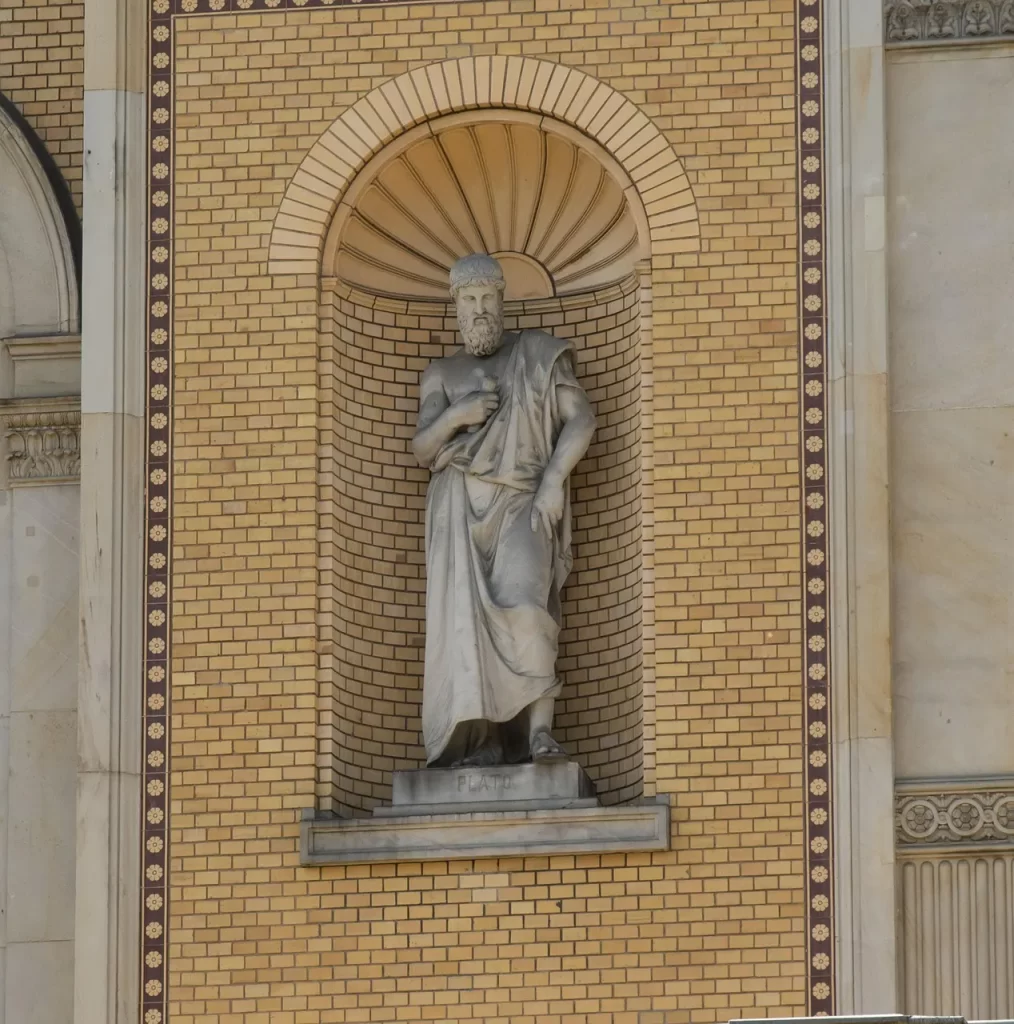
Plato said that there were three elements to life and man’s existence: insight that comes from true wisdom, courage from will, and moderation of desires. He claimed that these three virtues are necessary for righteousness, which is in turn necessary for the greater good, which is the highest ideal. He stated that an ideal state is governed by a person who has these virtues. Is this right?
Insight, courage, and moderation do not realize human righteousness. True righteousness does not lie in these things. Righteousness does not exist in knowledge, courage, or moderation. True righteousness is when there is absolutely nothing.
A person who has no self is the most righteous. This is because he knows nature’s flow when his self does not exist. Within the qualities of insight, courage, and moderation, there is always a self which prohibits him from seeing nature’s flow. The ideal state is one that is governed by a person who knows how to rule according to nature’s flow — by a person with absolutely no self.
– Woo Myung
🌿 REFLECT AT SANTA CLARA MEDITATION
At Santa Clara Meditation, practitioners reflect on why virtue alone cannot produce righteousness, and how only by discarding the self can one awaken to nature’s flow itself.
Through this reflection, individuals discover how true righteousness is realized not through effort, but through becoming empty of self and aligned with Truth. 🌠
