
📖 Introduction
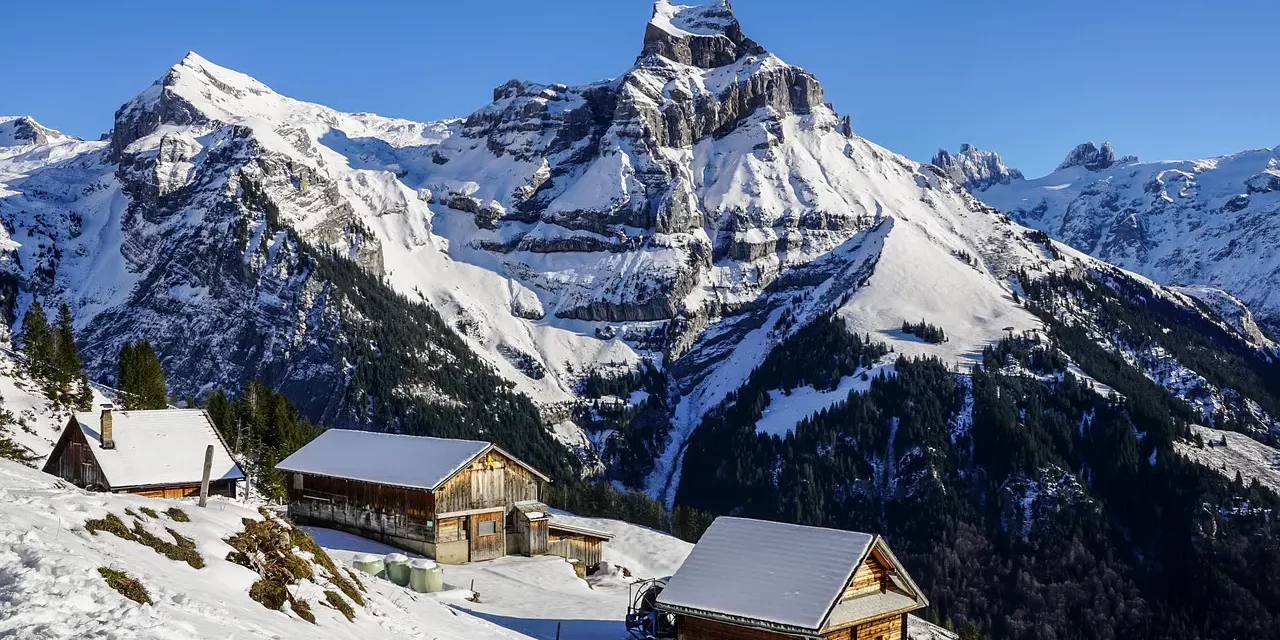
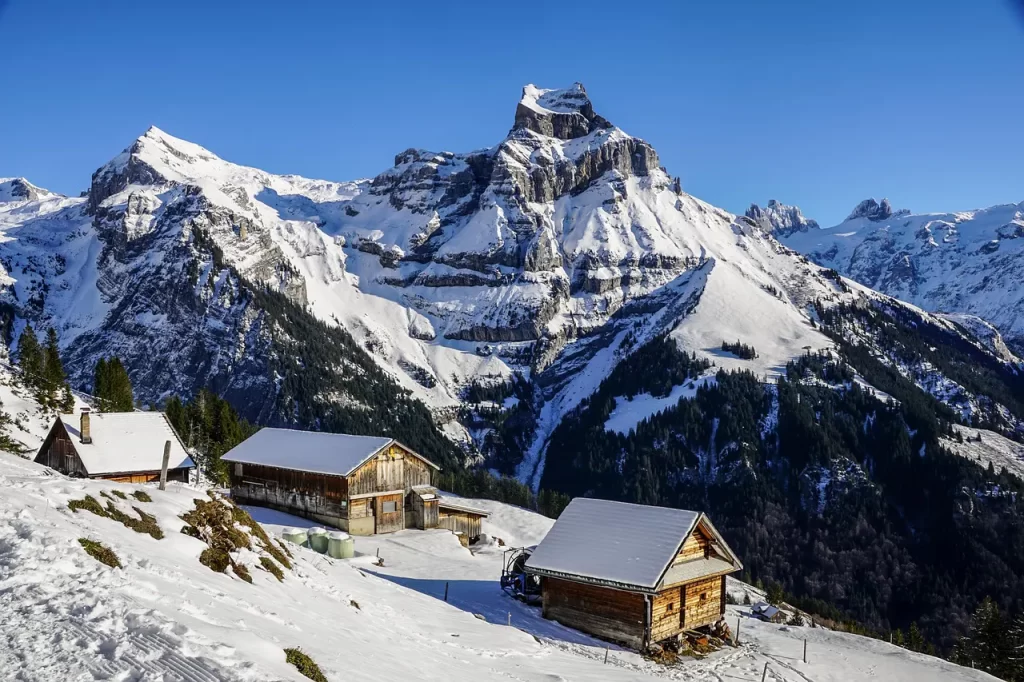
Snow-covered mountains.
Breath turning to frost.
The summit within reach.
In this vivid reflection, Master Woo Myung recounts a winter mountain hike — not merely as an adventure, but as a metaphor for life itself. Effort, joy, exhaustion, compassion, simplicity, and finally longing.
The mountain is climbed.
The summit is reached.
The body returns home.
But time does not.
🕊️ Original Writing by Master Woo Myung
A Mountain Hike in Winter
White snow blankets the mountains and streams everywhere.
Hikers who enjoy snow scapes
are climbing up a path piled knee-deep in snow.
I cannot see the path, but following their footprints,
I climb higher and higher.
My whole body sweats, and it trickles down my forehead.
After the snowfall a cold wind blows, scattering the fallen snow;
piled atop the branches it looks like lovely snow flowers.
Bend after bend, we wind up and up,
and after hours of panting and puffing
my whole body is wringing wet with perspiration
and my drenched underwear feels cold.
Near the summit, the trees are no longer tall
but short and scrawny, with snow-blossoms on their branches.
The sight is truly magnificent.
The summit looks close, and I climb towards it
with all my strength.
Many are already there calling out, “Hooray!”
expressing the joy of having reached the top to their heart’s content.
Everyone is happy and relaxed.
Even though it is cold and the temperature is below freezing,
people are gathered in groups here and there,
basking in the happiness that only those
who have hiked to the top of this mountain can feel —
no one else can know the feeling of this moment.
It is so cold that some drink a shot of soju;
some students have already had a shot or two on the way up.
One among them has become so drunk,
his eyes are bleary and his legs have given way.
The other students cannot carry him down
so I, and several others, take turns and carry him on our backs
and climb down the slippery, rugged mountain.
I put him down at a mountain temple
and tell them to give him some sugar water.
As I turn to leave silently, they ask for my address,
but I tell them it is ok, and slip quietly away.
It is a big mountain;
even after many bends
I am still in the mountain valley.
Only those who have been here
would know how my whole body feels.
In the gorges and valleys
there are cottages scattered sparsely.
They are old, worn, and look so shabby.
It seems the tenant farmers who cultivate the terraced fields
have difficulty making ends meet,
for the clothes they wear in the cold weather are worn and tattered;
they look so poor.
The stream flows on under the ice.
After a long walk down, I reach the parking lot.
I drop by the tavern and order a bowl of makgeolli
and some fish-cake soup;
I doubt there is anyone who knows how good they taste!
I do not get drunk, even though I drink more than usual,
I just feel good, perhaps because my body feels good.
Pleasantly tipsy, I head home.
As I gaze upon the falling snow here in New York
and the snow flowering on the branches,
those days when I freely hiked up and down mountains
have turned into longing — I do not know
if I will ever be able to hike here and there as I used to.
With the thought that I may never have those moments again,
whether it be because of old age or lack of time,
my longing grows.
— Woo Myung
🌠 Reflect at Santa Clara Meditation
This poem carries several layers of meaning:
🏔 The Mountain as Life
The invisible path.
The sweating body.
The summit joy.
The long descent.
Life is effort and ascent — but the summit moment is brief.
🤝 Compassion Without Attachment
Carrying the drunk student down the mountain.
Leaving without giving an address.
Compassion done quietly is pure.
No expectation. No identity. Just action.
❄️ Impermanence
The mountain remains.
The body ages.
Moments become memory.
Longing appears when we realize that youth and strength are temporary.
🌌 Awakening Insight
Unlike earlier poems that call life a “false dream,” this one reveals something subtler:
Even beautiful, meaningful moments are impermanent.
To see impermanence clearly is wisdom.
To cling to it is suffering.
